Search
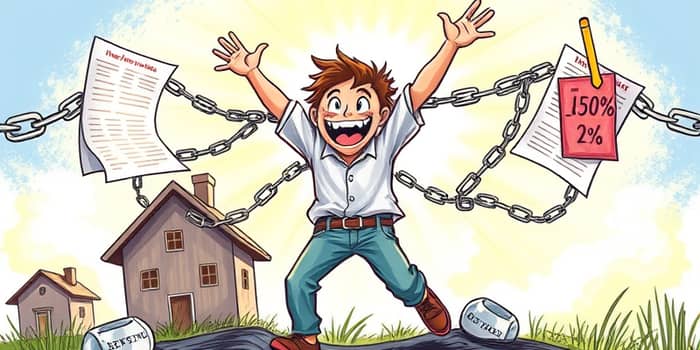
Paying down a loan faster than scheduled can transform your financial future. By applying extra payments toward principal, you not only save thousands in interest but also accelerate long-term debt freedom. Early repayment isn’t just a money-saving tactic; it’s a path to powerful future financial flexibility plan and emotional peace of mind.
Most consumer loans—mortgages, auto loans, personal loans—use an amortization schedule where early installments primarily cover interest, while later payments build principal. In a typical mortgage, for example, the first few years of payments might be 70% interest and 30% principal.
When you add extra funds to a payment, you immediately reduce the loan balance, so the next month’s interest calculation is based on a lower principal. This cycle repeats, gradually shifting your payment mix toward principal and allowing you to reduce total interest over time.
Consider a $200,000 mortgage at 5% over 30 years. A standard payment is about $1,073. By adding $500 monthly, you cut nearly eight years off your term and slash over $120,000 in interest costs. Even small one-time payments can deliver quick wins.
Long-term home loans illustrate the dramatic impact of early repayment. The extended term and compounding nature of interest make each extra dollar powerful. Reviewing concrete scenarios shows just how much you can keep in your pocket.
These examples highlight that even modest extra payments deliver significant savings. One-time lump sums, automatic biweekly installments, or adding spare change can make a noticeable difference.
While shorter-term loans don’t accumulate interest like mortgages, early repayment still yields immediate savings and higher-rate loans amplify savings. Auto loans and personal lines of credit often charge higher rates, so trimming the principal early lowers the total you pay.
Even two-week early payments on simple interest loans deliver savings. These quick wins can free up income for emergencies or next goals.
Early repayment offers more than just a lower interest bill. It also strengthens your overall financial health, creating opportunities you might not expect.
While early repayment has clear benefits, it’s essential to weigh alternatives. If you can consistently earn more in the market than your loan rate, investing may yield greater long-term returns. For instance, if you earn a 7% annual return by investing extra funds rather than paying down a 5% mortgage, your net benefit could exceed direct interest savings.
However, markets are volatile. Early repayment offers a guaranteed risk-free 6% return on your money. Ultimately, the decision should reflect your risk tolerance, cash flow needs, and broader goals. Consulting a financial advisor can help tailor a plan that balances debt reduction with growth opportunities.
To track your progress and maximize savings, leverage:
By integrating these techniques, you can maintain discipline and visualize the impact of each additional dollar applied to your loan.
Early repayment transforms debt from a burden into a managed tool for growth. With reduce total interest over time and focused strategies, you’ll move steadily toward powerful future financial flexibility plan. Imagine the day when your loan balance hits zero: freedom to redirect every payment toward your dreams. Start today, and watch as each extra payment brings you closer to lasting financial peace.
References