Search
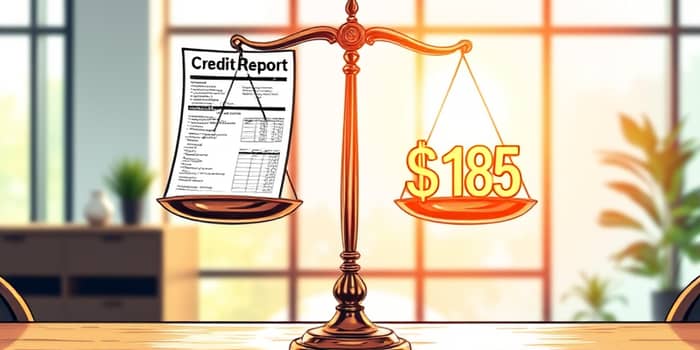
When you apply for a loan, both your credit score and credit history are examined closely. Yet many borrowers wonder which one truly carries more weight. By understanding how these two elements work together, you can take targeted steps to strengthen your overall credit profile and secure better loan terms.
In this article, we explore the distinctions, synergies, and practical strategies that will empower you to grow a robust credit foundation.
Your credit history is essentially your financial track record over time. It’s a detailed account of how you’ve managed various credit obligations, captured by the three major bureaus: Equifax, Experian, and TransUnion.
A typical credit report includes the following elements:
Each item paints a picture of your borrowing habits, offering lenders context about your reliability and financial discipline. Negative events linger on your report, influencing future lending decisions for years.
A credit score is a three-digit representation of creditworthiness. Ranging from 300 to 850, it distills your entire credit history into a single number that lenders can review at a glance.
Lenders, landlords, insurers, and sometimes employers rely on your score to perform a rapid risk assessment and loan approval. A higher score typically translates to lower interest rates, higher credit limits, and more favorable loan terms.
The two prevailing scoring models are:
Your credit score doesn’t emerge by magic—it’s calculated from specific components of your credit report. By focusing on these factors, you can improve your score over time.
Below is a closer look at these elements:
Payment history makes up over a third of your score. Late payments, collections, and bankruptcies can significantly lower your rating. Establishing a pattern of consistent on-time payment history is essential.
Credit utilization reflects your balances relative to your limits. A utilization ratio below 30% is ideal. Maintaining a balanced credit utilization ratio signals responsible credit management.
Length of credit history rewards accounts that have been open for many years. Demonstrating long-term positive behavior helps lenders view you as stable and reliable.
Credit mix refers to the variety of account types—revolving credit like cards and installment loans like auto or mortgage. A diverse mix of credit types can boost your score when managed well.
New credit inquiries account for recent applications. Multiple hard pulls in a short period can signal risk, so apply selectively.
Think of your credit history as the full narrative and your credit score as the headline. The history provides context—trends, setbacks, and recoveries—while the score offers a concise summary that lenders use for swift decisions.
Improving one naturally enhances the other. By cultivating strong habits in your credit history—like paying bills punctually and keeping balances low—you’ll see your credit score rise in response. Conversely, monitoring your score can alert you to issues in your history that require attention.
Building a strong credit profile takes time and consistent effort. Implement these actionable steps:
By following these guidelines, you’ll foster both a solid credit history and a rising credit score, unlocking better interest rates and loan options.
Neither credit score nor credit history stands alone in the lending process. Your history lays the groundwork, detailing how you’ve handled credit in the past, while your score synthesizes that information into a single measure of risk.
Embrace a proactive approach: build good habits, stay informed, and adjust your strategies as needed. With responsible credit management over time, you’ll boost both your credit history and credit score, positioning yourself for the most favorable loan outcomes.
References