Search
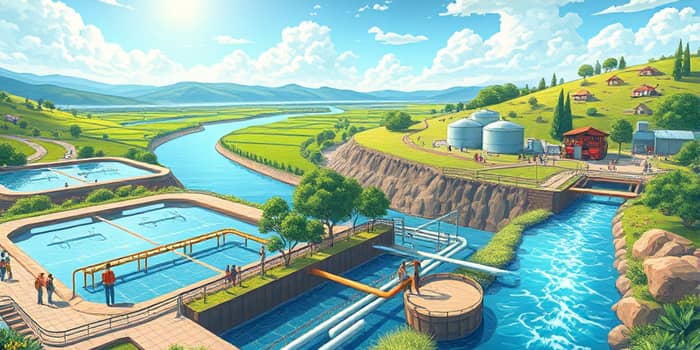
Water sustains life, economies, and the planet. Yet, many regions face crumbling pipes, inefficient systems, and insufficient treatment capacity. As climate change intensifies, extreme floods and droughts underscore the fragility of our water networks. This article argues that investing in water infrastructure is not optional but essential to safeguard communities and ecosystems alike.
From urban cores to remote villages, reliable water access underpins health, productivity, and dignity. Harmful contaminants, leaks, and supply interruptions threaten public well-being and stall economic progress. By channeling resources into modern systems, we can unlock social equity, foster resilience, and drive sustainable growth across generations.
Engineered water systems—treatment plants, pipelines, dams, and sewers—represent the backbone of contemporary civilization. They enable socio-economic development, energy and food production by delivering clean water, managing wastewater, and fostering irrigation on a massive scale.
Beyond basic delivery, infrastructure supports renewable energy through hydropower and cooling for thermal plants. It protects against floods, stores critical reserves during droughts, and maintains healthy wetlands that buffer storms. Robust networks translate raw resources into life-giving services for billions.
Despite broad recognition of water’s vital role, gaps in coverage and quality persist worldwide. Alarming statistics reveal the stakes:
These figures show that water infrastructure failures sit at the heart of the crisis, affecting health, education, and economic opportunity. Addressing these shortfalls requires immediate action and sustained commitment.
Global projections estimate an annual shortfall of $135 billion for water infrastructure, with $10 trillion needed by 2030 to achieve SDG targets. In high-income nations like the United States, the gap exceeds $1 trillion for replacing aging systems alone.
Tapping into public and private capital through innovative financing, blended mechanisms, and policy incentives can unlock investments at scale. International cooperation and metropolitan consortiums also play crucial roles in sharing expertise and spreading risk.
Investments in water and sanitation deliver impressive dividends that far exceed initial costs. According to WHO analyses, for every US$1 invested in improved sanitation, there is an average global economic return of US$5.5. Similarly, water and sanitation investments yield a US$4 return per dollar through reduced healthcare expenses and enhanced productivity.
Beyond direct savings, these projects:
As global water use value reached US$58 trillion in 2021—about 60% of world GDP—the case for continued investment grows ever more compelling.
The UN’s recognition of the human right to safe and clean drinking water in 2010 cemented access as fundamental. Standards call for 50–100 liters per person daily, at affordable rates below 3% of household income, with collection times under 30 minutes.
Yet marginalized communities often fall behind. Women and girls bear the brunt of water scarcity, spending hours on collection and facing threats of violence at unsafe sources. Inadequate sanitation impedes education, reproductive health, and social dignity.
Addressing these inequities means designing infrastructure with gender-responsive features, ensuring affordable pricing, and prioritizing the most vulnerable. When women lead water management, communities see better outcomes and higher resilience.
To build a sustainable future, stakeholders must move beyond business-as-usual approaches. Key strategies include:
Local governments, private investors, and communities need clear policy frameworks, transparent governance, and capacity building. International aid and multilateral banks should align funding with climate adaptation goals and equity principles.
By embracing innovation and collaboration, we can transform water challenges into opportunities. Upgraded infrastructure will support health, spur economic growth, and protect ecosystems against the ravages of extreme weather. It will uphold the dignity of every individual and preserve water’s vital role in human progress.
Investing in water infrastructure is more than a technical necessity—it is a moral imperative. It reflects our commitment to dignity, equity, and intergenerational responsibility. Let us seize this moment to secure reliable water systems for all and to pave the way toward a truly sustainable world.
References