Search
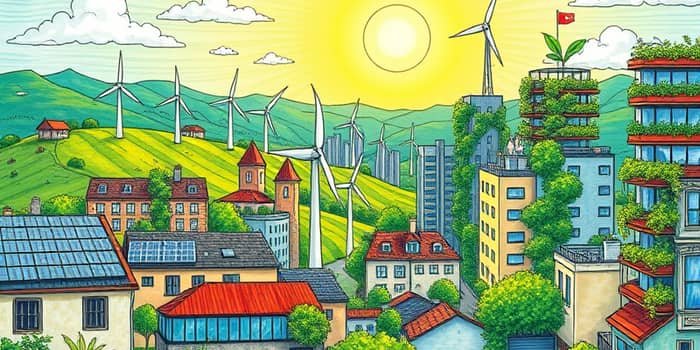
In an era of escalating climate challenges and social demands for sustainable development, green loans have emerged as a powerful tool to channel capital toward projects that protect our planet. By marrying financial innovation with environmental stewardship, these loans mobilize resources for initiatives that reduce emissions, conserve resources, and foster resilient communities.
Green loans are specialized financing instruments designed exclusively to fund projects with clear positive environmental impacts. Governed by the International Capital Market Association’s Green Loan Principles, they require 100% use of proceeds for eligible green activities, meticulous fund allocation, and annual reporting on environmental outcomes.
While similar in purpose to green bonds, green loans operate in the private market and typically involve smaller sums. They stand apart from other instruments, ensuring that capital is strictly ring-fenced and directed toward tangible ecological improvements.
These distinctions underscore the unique value proposition of green loans: direct alignment with environmental goals and enhanced transparency for stakeholders.
Green loans power a diverse array of projects that deliver measurable climate benefits, ensuring that every dollar makes an impact:
By directing funds toward these sectors, green loans catalyze the transition to a low-carbon economy and contribute to global temperature goals.
Green loans directly support several SDGs by mobilizing private capital for public good. Their contributions span energy access, infrastructure innovation, resource efficiency, and climate action, creating a ripple effect across communities and industries.
Beyond these primary goals, green loans advance sustainable cities, inclusive economic growth, and poverty alleviation by funding small and medium enterprises in underserved regions.
Green loans offer compelling advantages to borrowers, lenders, and society at large, fostering a win-win dynamic.
These benefits reinforce the virtuous cycle of sustainable investment, aligning financial performance with environmental responsibility.
Since their inception for homeowner energy upgrades, green loans have evolved into a global market. The formalization of the Green Loan Principles in 2018 provided a standardized framework for project selection, fund management, and impact reporting, accelerating adoption across regions.
Rising ESG demand, supportive regulations, and growing consumer awareness have driven expansion. Government incentives—such as interest rate rebates and partial guarantees—further lower borrowing costs and encourage participation. Publicly backed green banks play a pivotal role by offering subsidized lending rates for eco-projects and credit enhancements to de-risk investments.
Institutions like the Connecticut Green Bank and the DC Green Bank illustrate how targeted financing can unlock capital for solar installations, energy retrofits, and clean transportation, especially among non-traditional borrowers.
Despite robust growth, green loans face hurdles: limited awareness among small project developers, inconsistent lender requirements, and the need for regulatory harmonization. Addressing these barriers requires collaboration between industry bodies, policymakers, and financial institutions to streamline processes and expand access.
Adoption of the Green Loan Principles promotes uniform reporting and transparency, building investor confidence. Public incentives and technical assistance can lower entry barriers for smaller projects, unlocking a vast pipeline of sustainable investments.
Looking ahead, green loans are poised to become integral to the global financial ecosystem, supporting the 2030 Agenda for Sustainable Development and the net-zero transition by 2050. As markets mature and innovation accelerates, green loans will empower communities, businesses, and governments to achieve a resilient and equitable future.
Embracing green loans is more than a financial decision—it is a commitment to stewardship, innovation, and shared prosperity. Together, we can harness the power of capital to safeguard our planet and inspire generations to come.
References