Search
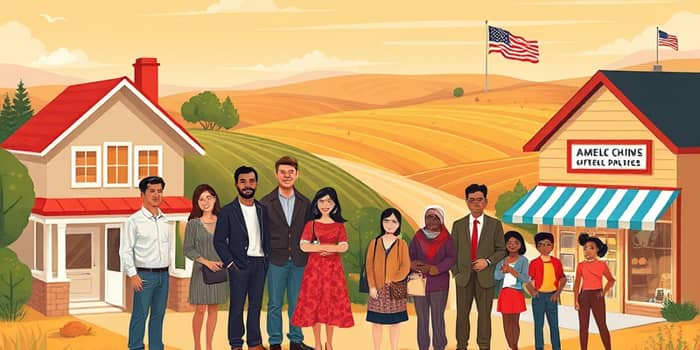
Government-backed financing can transform dreams of homeownership, education, and business ownership into reality. By tapping into programs designed to reduce lender risk and broaden access, individuals and communities can secure funding under terms that conventional loans simply can’t match.
Since the Great Depression, federal guarantees and insurance have enabled lenders to extend credit to borrowers with lenient credit requirements and minimal down payments. Unlike grants, these loans must be repaid, but they often feature below-market interest rates and flexible terms.
In 2023 alone, Federal Home Loan Banks issued over $4.2 billion in housing advances and $270.7 million for economic development. Likewise, the CDFI Fund has awarded more than $40 million for small-dollar loan programs aimed at the underbanked. Understanding eligibility, benefits, and application processes is the key to unlocking these opportunities.
Homeownership remains the centerpiece of federal lending efforts. Programs like FHA, VA, and USDA have distinct eligibility and benefit profiles, yet all share the goal of expanding access for underserved borrowers.
Additionally, Down Payment Assistance (DPA) programs offer grants, forgivable loans, and deferred mortgages through state agencies in California, Texas, and beyond. By combining an FHA loan with a forgivable second mortgage, buyers can reduce upfront costs and build equity over time.
As of July 1, 2026, new federal student loans consolidate repayment plans into the Revised Affordable Plan (RAP), capping payments at 1%–10% of discretionary income and forgiving remaining balances after 30 years.
Key features include:
While Grad PLUS loans will no longer be available to new borrowers, Parent PLUS remains an option for families, subject to borrowing limits. These changes ensure student debt remains manageable for low-income graduates.
Entrepreneurs, farmers, and rural utilities can access specialized loan programs to expand operations, purchase equipment, or invest in community infrastructure. Through the SBA and Farm Credit System, guaranteed loans are available for businesses that have been turned down by private lenders.
The Community Development Financial Institutions (CDFI) Fund’s Small Dollar Loan Program provides grants allowing CDFIs to offer low-cost, short-term loans—often under $5,000—to households with limited banking relationships.
Beyond core lending, agencies like the Department of Energy and FHLBanks promote economic and technological advancement:
In fiscal 2023, FHLBank programs channeled over $270 million into community projects, exemplifying how public funding can spark private investment and job creation.
Success lies in meticulous preparation and strategic combination of programs:
Consult housing counselors, nonprofit advisors, or financial aid officers to navigate application windows, income caps, and program deadlines. By staying informed and proactive, borrowers can secure the most advantageous terms.
Government-backed loans represent more than just financing—they embody a commitment to empower underserved communities and foster economic mobility. Whether you’re purchasing your first home, continuing your education, launching a business, or revitalizing a rural town, these programs are designed to help you succeed.
Take the first step today: explore eligibility, prepare your documents, and reach out to participating lenders. With federal backing, your goals are within reach and the path ahead is fortified by public trust and proven results.
References