Search
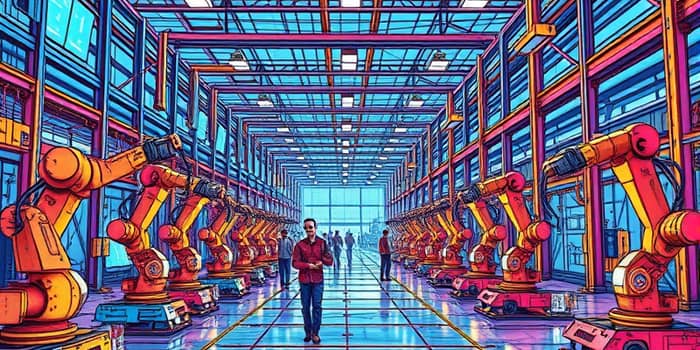
In an era of shifting global dynamics, manufacturing in the U.S. is experiencing a profound renaissance. Companies are returning production home while integrating advanced technologies to build more resilient operations. This article explores how reshoring and automation are becoming twin pillars of a revitalized industrial landscape.
The decision to move production from overseas back to domestic shores is not merely a cost calculation. It reflects a strategic response to a complex array of pressures. From pandemic-induced supply shocks to rising geopolitical tensions, organizations are concluding that proximity and control matter more than ever.
Several factors are fueling this shift:
By early 2026, more than $3 trillion in reshoring investments had been announced, catalyzing a construction boom and generating thousands of new jobs. The shift also underscores a larger transition from “just-in-time” models to just-in-case domestic production fortresses, where inventory buffers and flexible capacity guard against future shocks.
As companies return production home, they pair it with cutting-edge technologies to maintain global competitiveness. Automation stands at the forefront, augmenting human labor and accelerating output in smart factories.
Key technology trends driving this wave include:
Industry surveys indicate that the share of highly automated operations could rise from 18% in 2024 to over 50% by 2030, effectively doubling productivity and addressing severe labor shortages. Companies that embrace the automation-led reshoring revolution are reporting faster ramp-ups and superior quality control while containing long-term labor costs.
Certain industries are leading the charge, demonstrating how tailored strategies can yield transformational results.
These examples reflect a broader dynamic where proximity unlocks not just supply resilience but also innovation through closer collaboration between R&D and production teams.
These numbers illustrate a sector at an inflection point. While automation adoption surges, firms still face half a million unfilled roles nationwide, underscoring the need for balanced workforce strategies.
Despite the optimistic trajectory, several hurdles must be overcome to sustain this renaissance. Chief among them is the persistent talent gap, where specialized skills in robotics, AI, and advanced operations are in short supply.
Additional obstacles include rising cybersecurity risks as connected equipment expands the attack surface, integration complexities bridging legacy systems with modern platforms, and the capital intensity of new facilities demanding long payback periods. Regulatory uncertainties around tariffs, environmental standards, and data governance can further complicate planning and execution.
Firms must also focus on rapid implementation and workforce upskilling to ensure that technological investments translate into real performance gains rather than creating fractured systems and underutilized assets.
The next phase of the manufacturing renaissance will depend on companies’ ability to orchestrate people, processes, and technology as a cohesive ecosystem. This implies a series of deliberate actions:
1. Develop robust data architectures to fuel AI-driven insights.
2. Forge partnerships with educational institutions for targeted talent pools.
3. Leverage government programs and incentives to lower initial capital hurdles.
4. Invest in modular, scalable automation that can adapt to evolving needs.
5. Embed cybersecurity protocols from design through daily operations.
Those that master this integrated approach will emerge as industry frontrunners. By fostering resilient, agile, digitally empowered factories, businesses can not only reshape domestic manufacturing but also deliver sustainable growth and secure supply chains.
As we look toward 2030 and beyond, the synergy of reshoring and automation promises to redefine competitiveness. It is time for enterprises to lean into this momentum, embracing innovation while reinforcing the critical human elements that drive continuous improvement. The manufacturing renaissance is here, and with it comes the opportunity to build a future where domestic production fuels prosperity, resilience, and technological leadership.
References