Search
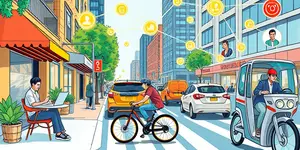
A wave of change is sweeping through the retail industry as consumers demand seamless experiences across both digital and physical channels. Technology advancements, economic pressures, and shifting values are reshaping expectations, compelling retailers to rethink every interaction. In this dynamic landscape, understanding the driving forces behind consumer decisions is essential. Retailers who anticipate and embrace these shifts can create deeper connections and foster lasting loyalty.
In the pages that follow, we delve into the key trends—from generational behaviors and omnichannel innovation to values-driven purchasing and strategic planning for 2026. Our goal is to inspire retailers and entrepreneurs with actionable insights, empowering them to transform challenges into opportunities and to lead with purpose in an ever-evolving marketplace.
Today’s consumers navigate a complex web of choices, driven by budgets, brand values, and generational preferences. Data shows that 4 in 10 Americans have adopted affordability and value-driven habits, while 70% of retail executives believe these changes will endure. Gen Z shoppers prioritize cost, availability, and authenticity, with nearly 49% ranking these factors above all else. Meanwhile, Boomers and Gen X continue to wield significant purchasing power, accounting for two thirds of US retail spending and emphasizing trust, service, and reliability.
By recognizing these behaviors, retailers can craft tailored strategies that resonate with each demographic, balancing convenience with personalized touchpoints.
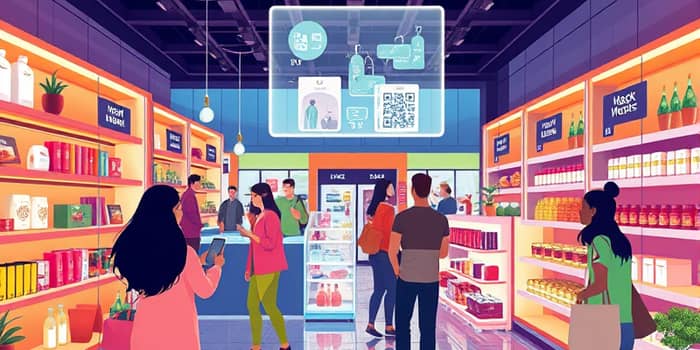
As the lines between online and physical retail blur, brands must deliver seamless online-to-offline integration to stay competitive. Innovations such as buy-online-pickup-in-store (BOPIS), QR code-enabled navigation, in-app product locators, and interactive kiosks are now table stakes. Retailers are investing in unified inventory systems, mobile apps, and staff training to ensure a consistent journey regardless of channel.
These figures highlight the growing expectation for instant fulfillment and interactive shopping. By leveraging real-time data, retailers can offer personalized marketing and product suggestions that feel intuitive rather than intrusive, boosting both basket size and brand engagement.
Consumers today seek more than products; they crave experiences and alignment with their beliefs. Over 60% are willing to pay a premium for ethically sourced goods, yet price remains a critical barrier. Supporting local businesses has surged from 31% to over 60% in recent years, reflecting a renewed emphasis on community and sustainability.
By creating immersive in-store brand experiences and championing sustainable practices, retailers can differentiate themselves and tap into the deep emotional drivers that inform purchase decisions.
Looking ahead, the retail landscape will be defined by agility, technological innovation, and unwavering focus on consumer values. Volatility from tariffs and inflation has become structural, prompting executives to pursue mergers and acquisitions that enhance scale and value. Artificial intelligence and analytics are essential for optimizing supply chains, predicting trends, and delivering hyper-personalized offers.
These steps can help retailers transform uncertainty into strategic advantage, reinforcing resilience in an unpredictable economy.
At its core, retail evolution is about empathy—recognizing the diverse needs of each customer and designing experiences that speak to their unique contexts. By weaving together digital innovation, sustainable values, and human connection, brands can not only meet expectations but exceed them, inspiring loyalty and driving growth in 2026 and well beyond.
References