Search
Debt touches the lives of millions, yet its true power lies not in numbers alone but in the minds of those who carry it. Understanding why we borrow, spend, and struggle to repay involves more than simple arithmetic—it calls for a deep dive into human behavior. This exploration will reveal the hidden drivers of financial decisions and offer practical guidance for navigating the complex relationship with credit.
When we examine debt through a behavioral lens, we discover that emotions, biases, and personality traits often outweigh interest rates and payment schedules. Recognizing these forces helps borrowers regain control and design strategies that align with both their heart and their head.
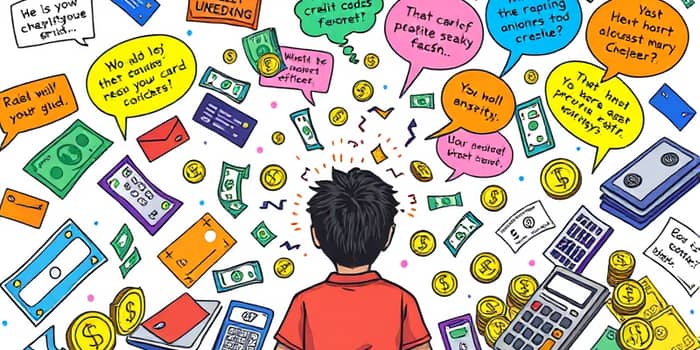
For many, taking on debt triggers an emotional rollercoaster of debt that begins with hope and ends in regret. Initially, credit can feel liberating—it provides instant purchasing power and relief from financial constraints. Yet as balances grow, anxiety and guilt often follow, leading individuals to avoid statements and calls from creditors.
This cycle of relief and remorse drives further borrowing. Some turn to retail therapy, seeing spending as a form of stress relief, only to face deeper shame afterward. Others compare their lifestyles to peers, feeling pressured to "keep up with the Joneses," which can accelerate credit use despite the emotional toll.
Behavioral finance identifies multiple biases that skew rational decision-making. Among these:
These biases often act in concert. A person might mentally allocate a tax refund to a vacation fund, while ignoring a looming credit card bill. Understanding how these patterns manifest is the first step toward breaking free.
Certain personality dimensions predict how individuals approach debt. High impulsivity correlates strongly with increased borrowing, while conscientiousness supports financial discipline. Neuroticism, on the other hand, can erode budgeting efforts and invite avoidance behaviors.
Studies show that those who score high in conscientiousness are more likely to make on-time loan payments consistently. Conversely, individuals with lower self-control often struggle to resist promotional offers or one-click purchases—even when they know these choices accrue interest.
Recognizing personal tendencies allows borrowers to tailor strategies: someone high in impulsivity might automate payments and savings, while a neurotic individual could benefit from regular, supportive check-ins with a financial coach or peer.
Translating psychological insights into action involves combining self-awareness with proven techniques. Here are targeted approaches to regain control:
Financial literacy programs can mitigate self-control bias, teaching individuals how to interpret statements, compare interest rates, and prioritize high-cost debt. Pairing these lessons with mindfulness practices—such as journaling about spending emotions—can diminish the power of impulsive urges.
Shifting the narrative around debt is essential. Instead of viewing borrowing as a moral failing, envision it as a temporary tool that can be mastered. This reframing reduces shame and encourages proactive management.
Normalize seeking help—just as therapy addresses mental health, financial counseling can address fiscal well-being. Borrowers who perceive debt support as an extension of self-care are more likely to adopt sustainable habits and seek timely intervention when challenges arise.
By blending psychological awareness, personalized strategies, and ongoing support, anyone can transform their relationship with credit. Embracing both the emotional and analytical aspects of finance leads to healthier behaviors and lasting peace of mind.
References