Search
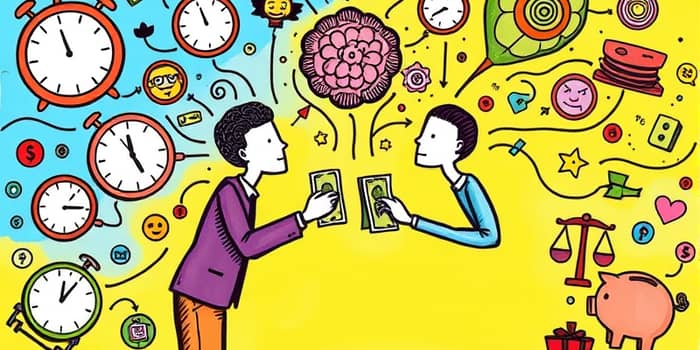
Lending and borrowing decisions rarely follow the neat assumptions of classical economics. Instead, they are shaped by hidden cognitive shortcuts, emotional responses, and deep‐seated biases. Understanding these forces can help both borrowers and lenders design better financial products, avoid pitfalls, and foster healthier relationships.
In this article, we explore key behavioral biases that drive overborrowing or under‐borrowing, the emotional dynamics between lenders and borrowers, and practical strategies for institutions and individuals to achieve more positive outcomes.
People often strongly overvalue immediate gratification rewards, a phenomenon known as present bias. Faced with a tempting purchase today, they discount future costs, leading to unplanned credit card debt or payday loans that spiral out of control.
Conversely, many potential borrowers exhibit deep cultural and experiential aversion to taking on any debt. This loan aversion results from social norms or past traumas and can leave individuals underusing credit that could enhance education, homeownership, or small‐business growth.
How a loan is framed matters: lenders who describe credit as an investment in personal growth often see higher uptake than those who emphasize fees or interest. Likewise, complexity in loan terms triggers mental accounting errors, making repayment schedules harder to follow.
Lending creates a sense of shared possession where lenders retain a psychological “ownership” over borrowed funds. This unseen sense of deserved oversight leads to anger or disappointment if borrowers use credit for hedonic rather than utilitarian purposes.
Research shows that lenders feel stronger negative emotions toward a friend or institution when loan proceeds fund luxury items, and these feelings often persist even after full repayment. The asymmetry between gift and loan means lenders monitor spending choices more strictly.
At the institutional level, banks and community lenders face their own biases: overconfidence can fuel speculative bubbles, while herd behavior may trigger credit squeezes. Acknowledging these patterns is the first step toward mitigating systemic risks.
Financial institutions can harness behavioral insights to improve customer outcomes and bottom‐line performance. Small design tweaks can encourage prepayments, boost deposit balances, and reduce default rates.
Borrowers themselves can apply behavioral tools to manage debt responsibly and make informed choices.
Regulators and policymakers can nudge markets toward healthier credit ecosystems by adopting low‐effort, high-impact strategies:
First, enforce standardized, easy‐to‐compare loan disclosures to reduce the complexity that drives mental accounting errors. Second, encourage or mandate default enrollment in beneficial payment plans, allowing customers to opt out rather than opt in. Third, promote financial education that highlights the emotional drivers of borrowing, equipping consumers with self‐awareness.
By aligning incentives and reducing unnecessary friction, we can foster a credit market where both lenders and borrowers win, improving financial stability and individual well‐being.
Behavioral economics shines a light on the hidden forces steering lending and borrowing decisions. By understanding biases like present bias, loan aversion, and ownership asymmetry, stakeholders can design products and strategies that lead to more responsible credit use and healthier financial relationships.
Whether you’re a borrower looking to manage debt wisely or a lender aiming to innovate responsibly, applying psychological insights offers a powerful path forward. Embrace these lessons to create a more empathetic, efficient, and equitable lending landscape.
References