Search
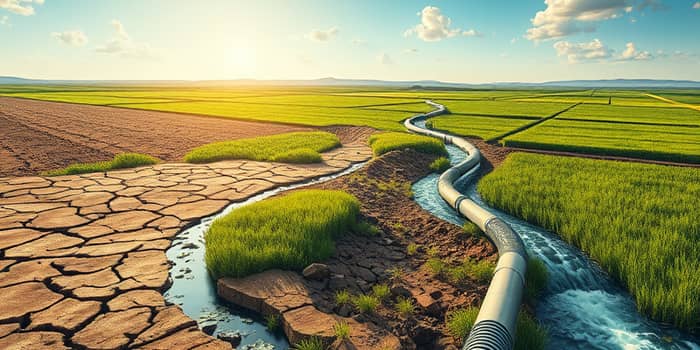
Global water scarcity is escalating into an unprecedented crisis that imperils human lives, economic stability, and future growth. With nearly four billion people experiencing severe scarcity at least one month per year and a projected 40% gap between demand and supply by 2030, the time for decisive action has arrived.
Investment in resilient water systems must become as urgent as funding renewable energy. The world’s fate depends on how governments, businesses, and communities respond to this defining challenge.
Water shortages inflict a heavy burden on individuals and economies alike. In Somalia, a devastating drought claimed over 43,000 lives in a single year. Millions more endure chronic health problems, malnutrition, and displacement across Africa, Asia, and the Middle East.
The economic impact extends beyond direct losses. By 2050, water scarcity could slash GDP growth by up to 11.5% in the hardest-hit regions, threatening millions of jobs and undermining social stability.
Real-world examples illustrate the severity and diversity of water stress globally. In Cape Town, South Africa, “Day Zero” was narrowly averted in 2018 by enforcing strict rationing, showcasing both risk and resilience.
In the United States, the Colorado River Basin supplies water to 40 million people but faces unprecedented cuts. Arizona has already experienced municipal cutoffs, forcing industries like semiconductor manufacturing to invest in costly alternatives.
The Middle East and North Africa (MENA) region contains 15 of the 20 most water-scarce countries, threatening agricultural yields and stability. In Argentina, severe droughts reduced annual GDP growth to a mere 0.2%. Meanwhile, Asia houses one billion people in high-stress zones, collectively generating two trillion dollars in GDP at risk of supply disruptions.
Understanding the drivers of scarcity is crucial to crafting effective investments. Population growth and rapid urbanization exert relentless pressure on finite freshwater resources. Between 2000 and 2022, global population grew from 6.1 billion to 8 billion, intensifying demand.
Climate change further compounds the problem by amplifying droughts and floods, reducing renewable supplies, and degrading groundwater reserves. Only 0.5% of Earth’s water is readily usable for human needs, making every drop precious.
Underinvestment remains a persistent culprit. Developed nations require over $100 billion annually to maintain and upgrade water systems but currently invest only half that amount. Emerging markets face even larger shortfalls, with entire communities lacking basic sanitation.
Failure to address water scarcity exposes investors to stranded assets, regulatory fines, and reputational damage. Companies dependent on stable water supplies—agriculture, semiconductors, mining—face elevated operational costs and production cuts.
Credit ratings and capital costs are increasingly sensitive to water-related risks. Financial institutions now incorporate hydrological data into their risk models, penalizing ventures in critical scarcity zones.
Investors must weigh near-term returns against long-term viability. Projects lacking adaptive measures will face rising costs, legal challenges, and social unrest.
Despite daunting obstacles, the water sector presents vital investment opportunities akin to the renewable energy revolution. Deploying capital strategically can yield both financial returns and profound social benefits.
Global conferences and UN declarations are increasingly framing water as a standalone asset class. Early movers in water infrastructure, treatment technologies, and sustainable agriculture stand to gain competitive advantage.
Addressing water scarcity demands the same urgency and scale as the clean energy transition. Governments must enact robust policies and mobilize public funding, but private sector must step up to bridge financing gaps and drive innovation.
Investors, philanthropists, and community leaders can unite to ensure every person has access to reliable, safe water. The dividends will not only flow in rivers and streams but also in poverty reduction, health improvements, and strengthened economies.
This is our moment to transform scarcity into opportunity. By channeling resources into sustainable water solutions today, we secure a resilient, prosperous future for generations to come.
References