Search
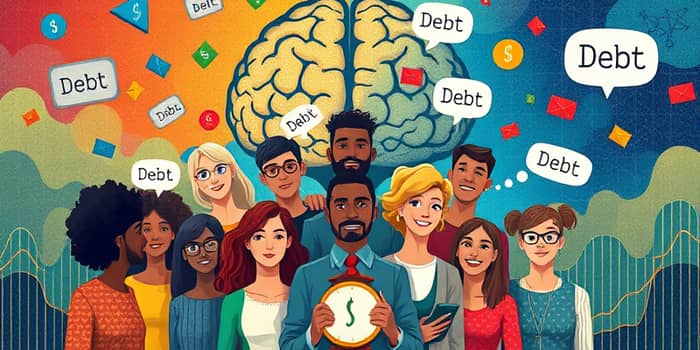
Borrowing money is more than a financial transaction—it reflects deep-rooted psychological processes that influence our choices, behaviors, and emotions. In today’s world, where credit cards, personal loans, and EMIs are ubiquitous, understanding the unseen forces that drive borrowing decisions is essential for both lenders and consumers. By recognizing these drivers, we can foster more responsible borrowing habits and design loan offerings that truly resonate with individual needs.
Several biases shape how borrowers perceive risk, cost, and their own ability to repay. Identifying these distortions enables us to anticipate challenges and mitigate potential pitfalls.
Beyond cognitive biases, stable personality characteristics shape borrowing intentions and repayment behaviors. Recent studies demonstrate that the link between attitudes and borrowing is magnified for those with certain psychological profiles.
Individuals high in material need or arousal show a heightened intention to borrow, while less impulsive borrowers tend to plan and budget more effectively. Recognizing these traits can inform personalized financial counseling or lending products tailored to individual psyches.
External factors such as income, age, education, and social context also play pivotal roles. Low-income households often resort to high-cost credit options during income shocks, while younger individuals exhibit greater debt demand but face more constraints. Gender and educational attainment further moderate credit access and borrowing patterns.
Emotions like fear and debt anxiety underlie many decisions. The tension between the promise of financial freedom and the dread of repayment can paralyze prudent planning.
Lenders who harness behavioral insights can foster trust, reduce defaults, and support customer well-being. Key tactics include:
By emphasizing transparent loan communications, lenders can help borrowers internalize the true implications of debt, strengthening relationships and minimizing surprises.
Understanding the psychological landscape of borrowing empowers consumers to make wiser choices. Consider these actionable steps before taking on new debt:
By adopting detailed budgeting and contingency planning, borrowers can shield themselves from common psychological traps and maintain greater control over their financial journey.
The psychology of borrowing is multifaceted, combining cognitive biases, personality traits, socioeconomic factors, and emotional influences. For lenders, leveraging these insights through personalized behavioral strategies creates more sustainable relationships and reduces defaults. For borrowers, awareness of these invisible drivers fosters deliberate, informed decisions that align with long-term goals rather than fleeting impulses.
Ultimately, responsible borrowing is a shared responsibility. When both parties—lenders and consumers—understand and respect the psychological terrain of debt, they pave the way for healthier financial futures and a more resilient economy.
References