Search
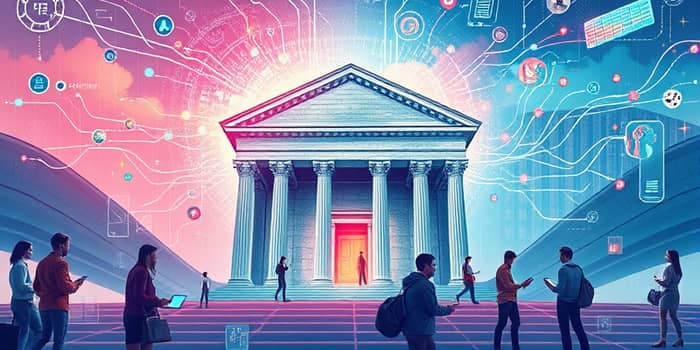
In today’s financial landscape, static approaches no longer suffice. Lenders must embrace fluid strategies to survive and thrive. As economic cycles oscillate and technology surges forward, the institutions that evolve will lead the pack. This article explores how you can become an adaptive lender, harnessing innovation and human insight to deliver exceptional experiences and sustainable growth in a dynamic market.
Market volatility has become the new normal. From post-pandemic interest-rate hikes to oscillating credit cycles, lenders face a constant push to stay agile. It is imperative to master rapid adjustment of credit criteria as delinquency rates rise and regulatory guardrails tighten. By embedding flexibility into underwriting and provisioning processes, institutions can mitigate risk without sacrificing opportunity.
Successful lenders leverage real-time data to recalibrate pricing, credit limits, and risk thresholds in tune with evolving conditions. This approach transforms external uncertainty into a competitive advantage, allowing organizations to pivot with confidence and maintain credit flow to deserving borrowers.
Technology is no longer optional—it is the primary differentiator in consumer lending. The era of fully digital and automation-driven loan journeys has arrived. AI, cloud platforms, and open finance are rewriting every stage of the lending lifecycle: from underwriting to compliance checks, and from distribution to servicing.
Unified systems, which combine unified loan origination and servicing, eliminate silos and foster consistency. Decision engines powered by configurable rules and machine learning models enable real-time A/B testing of policies, accelerating time-to-market for new products and ensuring that credit decisions adapt to fresh insights.
Today’s borrowers demand speed, clarity, and personalization at every touchpoint. An omnichannel approach integrates mobile apps, web portals, and embedded finance within third-party platforms. The result is streamlined, end-to-end experiences with instant approvals and transparent terms.
By prioritizing embedded consumer credit experiences, lenders can meet customers where they shop, pay, or manage payroll—delivering credit seamlessly and boosting engagement and loyalty.
Channels of yesterday won’t meet the needs of tomorrow. Adaptive lenders continuously refine their distribution mix based on performance analytics and consumer behavior. Whether through direct digital platforms or partnerships with e-commerce and HR providers, flexibility is key.
Maintaining time to money as a key metric ensures competitiveness. By automating document handling, leveraging pre-population algorithms, and aligning compliance checks with rapid decisioning, lenders can disburse funds faster while safeguarding credit quality.
Traditional rule-based systems, though reliable, can be rigid and slow to adapt. Enter adaptive automation powered by AI, which learns from historical trends and real-time signals, dynamically adjusting policies and workflows.
Through adaptive automation, lenders can detect emerging patterns—like shifts in borrower behavior or economic signals—and adjust risk models on the fly. This responsiveness strengthens resilience in the face of unexpected shocks.
Becoming an adaptive lender requires deliberate action. Start by conducting a comprehensive audit of existing systems, data sources, and workflows. Identify gaps in agility, transparency, and customer experience. Then, chart a transformation roadmap aligned with business priorities and regulatory requirements.
Ultimately, the essence of an adaptive lender lies in mindset as much as technology. By championing continuous, upstream credit offers and embedding human-centered design into every product, institutions can craft financial solutions that empower borrowers and strengthen communities.
As market dynamics evolve, those who embrace adaptability—combining strategic foresight with technological prowess—will steer the lending industry toward a future of inclusive growth and shared prosperity.
References