Search
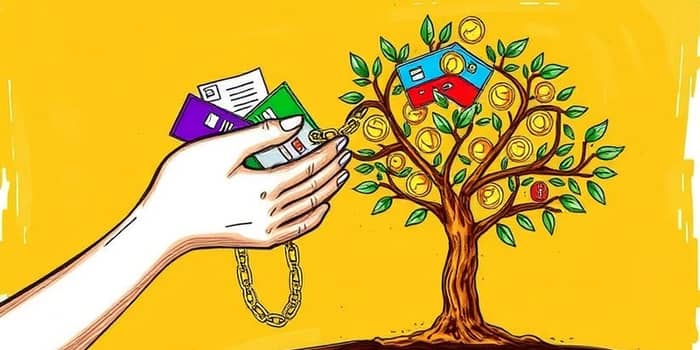
Managing multiple debt accounts can feel overwhelming, like juggling too many balls in the air. When high-interest credit cards, personal loans, and medical bills pile up, a clear strategy is essential.
Debt consolidation offers a way to simplify your finances, reduce costs, and chart a reliable course toward becoming debt-free. This comprehensive guide will inspire you and provide practical steps to reclaim control of your money.
Before diving into options, let’s build a foundation of understanding and ensure you feel confident taking the next steps toward relief and stability.
Debt consolidation combines two or more existing debts into a single new loan or payment plan. By targeting high-interest balances—often credit cards with APRs exceeding 20%—you replace erratic rates with a fixed structure that’s easier to manage.
Instead of tracking multiple due dates and variable minimums, you make one predictable monthly payment. This streamlined approach can significantly reduce stress and help you focus on eliminating your debt.
Choosing to consolidate debt isn’t just a financial maneuver; it can transform how you view and handle your money. Here are the core advantages:
With these benefits in mind, many people find renewed motivation and a clear plan.
Understanding the process is crucial to make informed decisions:
1. Review Your Financial Picture: Gather statements, note balances, APRs, minimum payments, and calculate your debt-to-income ratio. A FICO score of 670 or higher typically unlocks the best offers.
2. Compare Consolidation Methods: Assess personal loans, balance transfer cards, home equity loans, and nonprofit management plans. Match features—like rate, term, and fees—to your goals.
3. Apply for Your Chosen Option: Submit required documents, such as ID, income verification, and current creditor statements. Many lenders offer online approval in days.
4. Pay Off Existing Debts: Upon approval, the new lender either pays your creditors directly or provides funds for you to settle accounts. Close or freeze old accounts to avoid fresh charges.
5. Commit to Your New Plan: Make each payment on time, resist adding new balances, and, if possible, pay extra toward principal to shorten the term.
Seeing numbers side by side can be eye-opening. Below is an example comparing three credit cards against consolidation loan options on an $8,000 balance.
This table highlights how a consolidation loan can dramatically cut both the timeline and interest paid, freeing up resources for other goals.
Each pathway carries its own requirements and advantages. Choose the one that aligns best with your circumstances:
Debt consolidation works best for individuals who:
• Carry multiple high‐interest debts (often credit cards over 20% APR).
• Maintain a stable income and reasonable credit score (FICO ≥ 670).
• Seek a clear payoff date and cannot tolerate variable rates.
Those with poor spending habits or who can’t qualify for lower rates may explore DMPs or credit counseling instead.
Consolidation isn’t a magic cure; avoiding mistakes is essential:
• Don’t consolidate at a higher rate than you currently pay. Always verify the new APR is lower.
• Close or freeze paid‐off accounts to prevent new charges and temptation.
• Opt for the shortest term you can afford—longer loans often cost more in total interest.
• Account for any fees: origination charges, balance transfer fees, or DMP monthly costs.
• Maintain an emergency fund to avoid falling back on credit when unexpected expenses arise.
Building healthy habits will ensure you stay on track beyond consolidation:
By combining consistent payment discipline with smart choices, you’ll position yourself for lasting financial well-being and the freedom to pursue new dreams.
Debt consolidation can be the turning point on your journey to financial independence. With a clear plan, realistic expectations, and unwavering commitment, the weight of multiple debts can transform into a single manageable path. Embrace this opportunity—your future self will thank you.
References