Search
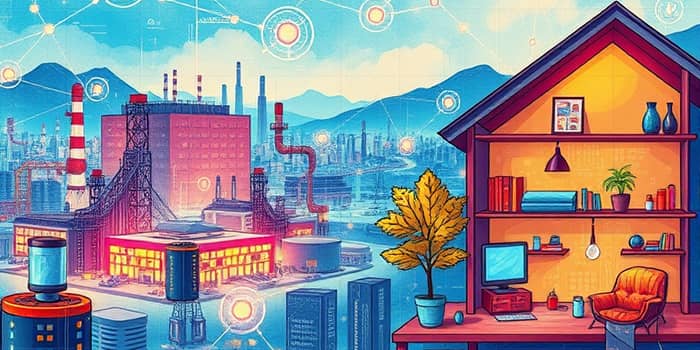
The Internet of Things (IoT) represents a network of physical devices embedded with sensors, software, and connectivity. It creates a dynamic ecosystem in which machines, infrastructure, and everyday objects collaborate by exchanging data over the internet. From high-speed production lines to smart thermostats in homes, IoT is no longer experimental—it is a foundational digital layer underpinning modern life.
As organizations and individuals increasingly adopt connected technologies, IoT is shaping both large-scale industrial processes and personal routines. Its capacity to gather real-time data, analyze performance, and trigger automated actions is transforming manufacturing floors, logistics networks, healthcare facilities, and family living rooms around the globe.
Industrial IoT (IIoT) harnesses connected sensors, programmable logic controllers, and advanced analytics to drive manufacturing, utilities, agriculture, and healthcare toward greater efficiency. With predictive maintenance capabilities, companies can forecast equipment failures before they happen, drastically reducing downtime and related costs.
IIoT systems enable:
By integrating edge computing and cloud analytics, enterprises can make faster, data-driven decisions and continuously refine their processes.
Consumer IoT (CIoT) focuses on connected devices designed for households and individuals. Driven by goals of convenience and personalization in living, this segment includes wearables, smart appliances, and home automation systems that respond to user preferences in real time.
Users benefit from enhanced comfort, energy savings, and personalized insights into health and lifestyle choices. As more devices enter the market, integration into cohesive ecosystems becomes paramount to deliver seamless user experiences.
These devices not only simplify tasks but also empower individuals with data-driven recommendations for well-being and productivity.
While IIoT and CIoT share underlying technologies—sensors, connectivity, and data analytics—they diverge in purpose, scale, and requirements. Industrial deployments demand high reliability, security, and integration with legacy systems. Consumer applications prioritize ease of use, affordability, and privacy controls.
Understanding these distinctions helps stakeholders tailor solutions that align with specific performance, security, and user-experience goals.
IoT is evolving into an intelligent ecosystem driven by AI integrated into IoT systems and edge computing and local inference. By placing processing power closer to devices, organizations reduce latency, lower bandwidth costs, and boost privacy. Digital twins replicate physical assets in virtual environments, enabling scenario testing and predictive analytics without disrupting live operations.
Other transformative trends include 5G connectivity for high-speed data transfer, blockchain for trusted transactions, and sustainable designs that minimize environmental impact. Together, these innovations are making IoT faster, more autonomous, and more resilient than ever before.
Rapid IoT adoption has heightened concerns over privacy and security vulnerabilities. According to recent surveys, 65% of consumers worry about data collection practices and 75% distrust how personal information is shared. In industrial contexts, breaches can lead to operational disruptions, safety hazards, and regulatory penalties.
Building trust requires a proactive approach:
By embedding cybersecurity by design principles, developers and manufacturers can deliver IoT products that inspire confidence and long-term adoption.
Beyond connectivity, the true power of IoT lies in monetizing intelligence and insights. Collected data can fuel advanced analytics, reveal optimization opportunities, and generate new revenue streams. Manufacturers may offer predictive maintenance services, while smart-home platforms could provide personalized energy-saving recommendations.
Organizations looking to leverage IoT data can begin by defining clear objectives, selecting scalable analytics platforms, and establishing data governance frameworks. Prioritizing quality, context, and timeliness of data ensures that insights lead to real-time decision-making and automation, driving measurable business outcomes.
As IoT continues to bridge industries and consumers, its promise lies in delivering a more efficient, sustainable, and personalized world. Stakeholders who embrace innovation, prioritize security, and focus on user experience will unlock the greatest benefits. For businesses, this means investing in skilled talent, adopting modular architectures, and forging strategic partnerships. Consumers should stay informed about device settings, privacy options, and emerging ecosystem integrations.
Together, industrial leaders and everyday users can harness the transformative potential of IoT to build smarter factories, safer cities, and more comfortable homes. By treating data as a strategic asset and upholding trust at every layer, we can chart a connected future that is both inspiring and secure.
References