Search
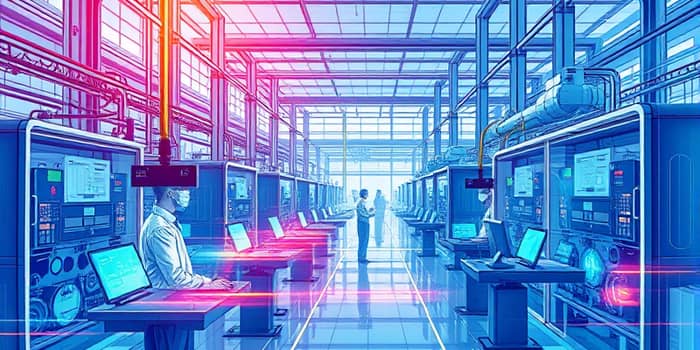
In an era of rapid industrial change, digital twins are becoming indispensable for driving efficiency and innovation.
A digital twin is a live, data-connected virtual replica of a physical asset, process, system, or operation. Unlike static models, it continuously synchronizes with its real-world counterpart through sensors, IoT devices, cloud platforms, and advanced analytics.
This dynamic, continuous synchronization with physical systems enables stakeholders to simulate behavior, monitor performance, and predict outcomes in real time. By capturing both historical and live data, digital twins create an interactive, data-driven environment for testing and decision support without interrupting production.
Digital twins unlock new levels of productivity by providing granular visibility into complex operations. They empower teams to:
These capabilities translate directly into measurable gains. According to industry surveys, organizations deploying digital twins report up to 25% improvements in system performance and a 15% uplift in key operational metrics.
Manufacturing plants leverage digital twins to boost throughput, improve quality, and reduce waste. Common applications include:
By running virtual experiments, engineers can identify the most efficient machine settings, evaluate process changes, and implement improvements with confidence.
One of the most compelling benefits of digital twins is enhanced reliability. Through continuous health monitoring, organizations can:
This shift from reactive to condition-based maintenance can cut maintenance expenses by up to 30% and slash downtime by nearly 50% in some applications.
Implementing a digital twin requires an ecosystem of connected technologies:
These components work together to ensure real-time data integration across all systems, enabling accurate modeling and rapid insights.
The digital twin market is experiencing explosive growth. Projections include:
Analysts predict that digital twins will become a foundational element of Industry 4.0, acting as the neural network that drives agile and resilient operations.
Adopting a digital twin follows a structured workflow, ensuring alignment with business objectives and technical requirements:
This cyclical process ensures that digital twins evolve alongside their physical counterparts, continuously delivering value.
For organizations eager to embrace digital twins, success hinges on clear goals, executive buy-in, and cross-functional collaboration. Key steps include:
By approaching digital twin initiatives with a strategic mindset, companies can avoid common pitfalls and accelerate time to value.
Digital twins represent a transformative leap for industrial efficiency, enabling organizations to monitor, simulate, and optimize their operations in ways previously unimaginable. As this technology matures, companies that harness digital twins will gain a decisive competitive edge through improved uptime, lower costs, and enhanced sustainability.
Embracing digital twins today is not merely an upgrade—it is a strategic imperative for any enterprise seeking to thrive in the era of smart manufacturing and connected industry.
References