Search
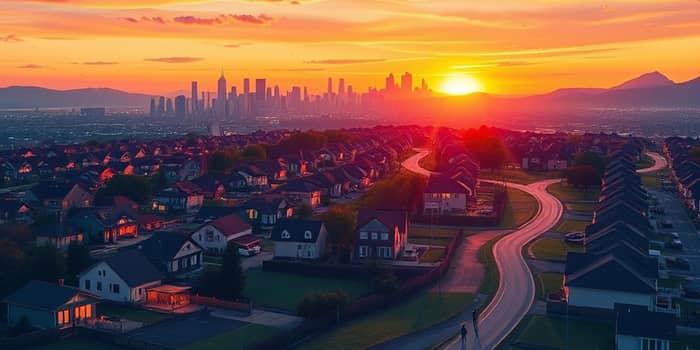
The last few years have rewritten the rules of the housing market, ushering in new patterns and surprises that will shape real estate for years to come.
During the pandemic, home prices experienced unprecedented growth. Fueled by historic lows in mortgage rates, government stimulus, and a surge in remote work, demand soared while supply dwindled. By mid-2022, prices peaked before beginning a gentle cooldown.
However, the surge was not uniform. Sun Belt markets such as Florida and Texas saw some of the highest year-over-year growth rates nearing 30%, while many expensive coastal regions began to slow as affordability slipped away.
Following record-low fixed mortgage rates, borrowing costs shot upward, reshaping buyer behavior. In 2021, rates dipped below 3%, igniting competition and compressed timelines. By late 2022, buyers faced higher payments and stricter credit standards.
A remarkable 83% of existing homeowners secured locked-in low mortgage rates, effectively creating stable households with little incentive to sell. This dynamic intensified competition for the smaller pool of available homes.
A severe shortage of listings characterized the boom years. Many owners chose to stay put with favorable financing, and underbuilding before the pandemic left fewer new homes to meet surging demand. Construction costs and rising interest rates then slowed new starts.
By February 2025, inventory began to rebound in 15 of the 50 largest metros, including Denver, San Antonio, and Dallas. Yet overall supply remains constrained, creating a delicate balance between buyer appetite and developer capacity.
The shift to remote work redefined housing geography. Professionals fleeing dense metros sought space, affordability, and quality of life in suburbs and rural areas. Nearly two million renters gained the flexibility to relocate without sacrificing career opportunities.
Urban cores saw rent declines of over 10%, while suburbs experienced robust price growth. Midwest cities like Kansas City and Cleveland emerged as unexpected beneficiaries, highlighting the power of roomier, more affordable homes and reduced commute reliance.
The post-boom landscape reveals stark regional contrasts. Sun Belt states dominate below-list price sales, while traditional strongholds in the Northeast and Midwest show resilience. Coastal tech hubs such as San Francisco and San Jose are staging comebacks, fueled by an AI-driven revival.
As of 2025, affordability registers at a 30-year low, pressured by high prices, rents, and tighter lending. Yet signs of normalization are visible: below-list share has returned to pre-pandemic norms, and inventory growth is gradually stabilizing the market.
Rental demand surged alongside home prices, pushing many households into rent-burdened status. While eviction moratoria and relief programs offered temporary respite, long-term solutions will require policy interventions and renewed investment in affordable housing.
Displacement pressures have disproportionately affected communities of color, sparking advocacy for zoning reform and inclusive planning to broaden access to quality homes across income levels.
Behind every statistic is a story of aspiration or adversity. Kylie Carpenter, a Seattle teacher, shares, “It’s very disheartening to be priced out of our communities.” Her experience underscores the emotional toll of an affordability crisis.
Conversely, homeowners like Ben Kolb celebrate timing. He reflects, “This is my forever home,” after refinancing into a low-rate mortgage and locking in stability. These contrasting narratives reveal the market’s dual nature, where timing and resources can dramatically alter outcomes.
As the market moves toward balance, stakeholders face a landscape that resists a simple return to “business as usual.” Instead, measured growth is on the horizon, driven by targeted construction, creative financing, and adaptive policy.
Homeowners who secured low rates feel confident in their equity, while new buyers benefit from expanding options. Though challenges remain, the post-pandemic era has sparked innovation in the way we live, work, and invest in real estate.
By understanding the interplay between rates, supply, migration, and policy, stakeholders can seize emerging opportunities and help build a housing market that is more vibrant, inclusive, and resilient.
References