Search
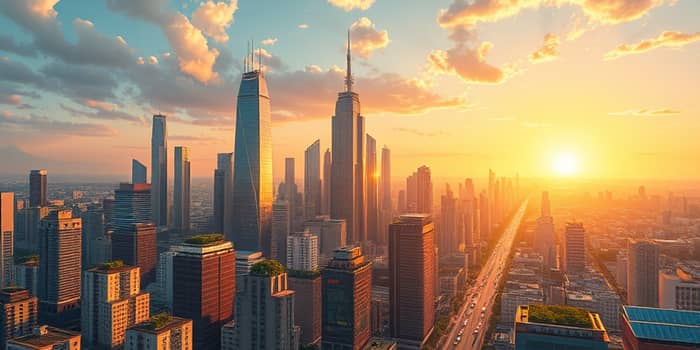
As the world transforms, urban centers grow into vast landscapes of possibility and challenge. From ancient trade posts to modern behemoths, megacities now drive progress and shape our collective future.
The story of urbanization stretches back thousands of years, yet the pace of change has accelerated dramatically over the last two centuries. In 1800, less than 10% of humanity lived in cities. By 1950, the first true megacities emerged, with New York and Tokyo surpassing 10 million residents.
Industrialization fueled mass migration, drawing rural populations to factory hubs. As economies shifted from agriculture to manufacturing, cities became magnets for opportunity, innovation, and sometimes stark inequality.
Today, more than half of the global population resides in urban areas. Nearly 463 million people live in cities of over 10 million inhabitants, and this number keeps climbing. Asia and Africa host the fastest-growing megacities, while North America leads in overall urbanization percentage despite lacking any top-ten global giants.
These cities exemplify dynamic cultural intersections, hosting millions from diverse backgrounds who together shape trends in technology, art, and commerce.
By 2050, two-thirds of the world’s population—about 7 in 10 people—are expected to reside in urban centers. An additional 2.5 billion individuals will join urban populations, with India, China, and Nigeria accounting for over one-third of that growth.
Urban planners anticipate the global count of megacities to swell from around 44 today to nearly 67 by mid-century. New entrants will largely appear in Asia and Africa, reflecting the youth and vitality of those regions.
This shift will redefine economic power centers, challenging traditional hierarchies and opening new markets.
Megacities act as powerful engines of growth, historically generating up to 80% of global economic output. They concentrate labor, capital, and innovation, creating fertile ground for startups and established enterprises alike.
Key drivers include:
Entrepreneurs can capitalize on emerging consumer markets in housing, healthcare, and education, while investors may find lucrative returns in sustainable infrastructure projects.
Rapid urban expansion carries significant risks. Many megacities in developing regions face infrastructure gaps that struggle to keep pace with population growth.
Frequent issues include:
Slum development remains a critical concern. In Mumbai, over half the population lives in informal settlements, underscoring the need for inclusive urban planning solutions that bridge the divide.
Building resilient megacities requires holistic, forward-looking policies. Leaders and communities can pursue several strategies to ensure equitable, sustainable growth:
Collaboration between governments, the private sector, and civil society is essential. Programs that engage residents in decision-making foster a sense of ownership and ensure that solutions meet local needs.
Technological advances offer powerful tools to manage complexity. From IoT-driven traffic management to AI-enhanced resource allocation, smart city platforms enable data-driven decision making and real-time responsiveness.
Initiatives such as digital healthcare kiosks and mobile education platforms can deliver critical services to underserved communities, narrowing equity gaps and fueling social mobility.
At the heart of any thriving megacity lies its residents. Grassroots movements and local enterprises unlock creativity, resilience, and hope. Community gardens, neighborhood cooperatives, and civic tech collectives demonstrate that collective vision leads to transformation.
By empowering individuals with skills and resources, urban centers can become laboratories of innovation, where social entrepreneurs pilot bold solutions that, once proven, can be scaled globally.
The rise of megacities represents both an unprecedented challenge and a remarkable opportunity. As billions move into urban centers, we stand at a crossroads that will define our economic future, environmental legacy, and social cohesion.
By embracing inclusive planning, harnessing cutting-edge technology, and fostering community-driven innovation, we can transform megacities into beacons of progress. Each challenge we overcome is a step toward a more equitable, sustainable world—one urban skyline at a time.
References