Search
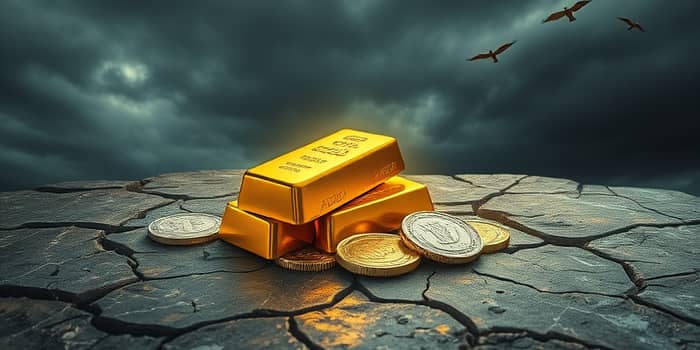
When markets collapse and currencies falter, many investors turn to gold and silver. But beneath the popular narrative of uninterrupted safety lies a complex history of plunges and rebounds.
The question endures: are precious metals truly reliable during crises or do they merely promise security before dramatic corrections?
By examining centuries of data, investor psychology, and policy shifts, we aim to reveal the nuanced role of gold, silver, and their rarer cousin, platinum, in safeguarding wealth.
Since antiquity, societies have minted coins from gold and silver, trusting their scarcity and luster to preserve value. Under the gold standard, national currencies were directly linked to bullion reserves, embedding metals into the global monetary system.
Even after the abandonment of formal backing in the 20th century, gold retained its status as the ultimate monetary trust when confidence in government debt wanes. Silver, less expensive and more industrially used, has complemented gold as a secondary store of value.
Platinum, rarer still, has found industrial niches—from catalytic converters to electronics—creating a hybrid profile of monetary and practical demand.
Contrary to the smooth upward curve often portrayed, precious metals frequently experience initial liquidity-driven selloffs in panics. Margin calls and forced liquidation can drive prices sharply lower before traditional safe-haven demand reemerges.
Below is a summary of major events illustrating this pattern:
In every major shock, metals fell first, then recovery surges amid monetary expansion restored and exceeded pre-crash levels.
While all three assets move in response to economic tides, they exhibit distinct behaviors:
Looking ahead, mounting global debt, persistent inflationary pressures, and central bank reserve diversification point to continued demand for precious metals. China, Russia, Turkey, and India are expanding state holdings, signaling deepening fears of fiat devaluation.
Geopolitical flashpoints—from US-China tensions to Middle East unrest—remain unpredictable catalysts. Should another shock arrive, investors may again witness the familiar pattern: an initial dip followed by vigorous recovery.
Moreover, evolving technologies such as clean energy and electronics may elevate platinum’s value, adding a new dimension to traditional hedging strategies.
While not immune to market cycles, precious metals have proven their resilience across centuries of turmoil. For investors seeking a blend of protection and potential upside, these assets offer a compelling complement to conventional portfolios.
Ultimately, understanding the cycles of gold, silver, and platinum—along with their unique risks and rewards—enables more informed decisions and bolsters confidence when markets falter.
References