Search
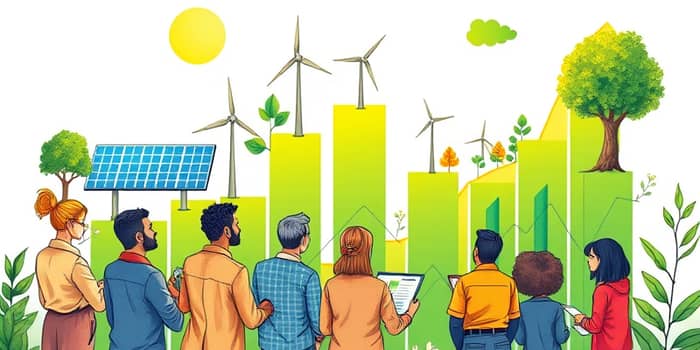
In a world grappling with climate change and social inequality, sustainable finance stands at the crossroads of promise and peril. Investors, consumers, and institutions are eager to channel capital toward projects that respect planetary boundaries and uplift communities.
Yet, the rise of genuine sustainable projects with verifiable impact is shadowed by a growing wave of greenwashing. Misleading claims threaten market trust and the very integrity of sustainable development.
Greenwashing can take many forms, from vague or inaccurate sustainability claims to glossy branding that masks harmful practices. When companies misrepresent environmental benefits, they erode confidence in the entire ecosystem of ethical investing.
At its core, greenwashing is a deceptive practice that inflates a company’s environmental credentials without delivering the promised benefits. It poses a global challenge, distorting capital flows and slowing progress toward a low-carbon economy.
The impacts of greenwashing ripple across economies, corporations, and society at large. Understanding these consequences is essential for building stronger defenses against false claims.
By ignoring or concealing true environmental footprints, firms inadvertently slow the transition to renewable energy and sustainable production models.
Recent surveys highlight how consumer expectations are shifting. Across Europe, investors demand clarity, accountability, and genuine social contributions from the companies in which they place their savings.
Key motivating factors include:
Yet many consumers report feeling overwhelmed by complex disclosures and suspicious of ambiguous marketing. Empowering them requires simplified standards and accessible information.
To overcome greenwashing, the industry needs robust standards and clear enforcement. Policymakers, regulators, and NGOs play pivotal roles in crafting rules that separate substance from spin.
This comparison underscores the urgent need for transparent and accountable reporting across all financial products.
Whether you are an individual investor or a financial institution, action begins with education and due diligence. Here are key ways to make a tangible difference:
By taking these steps, investors become empowered and informed investors who guide capital toward real-world solutions.
The scale of the investment needed to secure a sustainable future is staggering. Estimates suggest over $3.5 trillion in annual global investments are required for energy transition infrastructures alone.
Yet this challenge hides an equally vast opportunity. With proper vigilance, the financial community can unlock new markets, drive innovation, and reward long-term value creation. The key lies in steering clear of deceptive practices and championing genuine progress.
Each stakeholder—investor, fund manager, regulator, or consumer—holds a piece of the solution. Together, we can:
Transform reporting standards to reflect real outcomes. Strengthen policies to deter false claims. Cultivate a culture where trust is earned through verifiable performance. And above all, celebrate achievements that deliver clear distinction between claims and actions.
Building a sustainable finance ecosystem rooted in authenticity demands continuous effort. It requires collaboration among regulators refining the SFDR, NGOs developing harmonized indicators, and financial institutions integrating climate risk models.
More than compliance, this is a moral imperative. Investors have the power to shape corporate behavior. Consumers can voice their preferences through capital allocation. And policymakers can establish a legal framework that rewards genuine stewardship over empty slogans.
By staying vigilant, informed, and proactive, we can move beyond greenwashing and fuel a wave of innovation that aligns profits with purpose. This is the moment to act, to invest, and to hold the line for real, lasting impact.
The journey toward a sustainable future is neither easy nor short. But by committing to data-driven accountability and shared responsibility, we pave the way for an equitable, resilient world where finance lives up to its promise.
References